

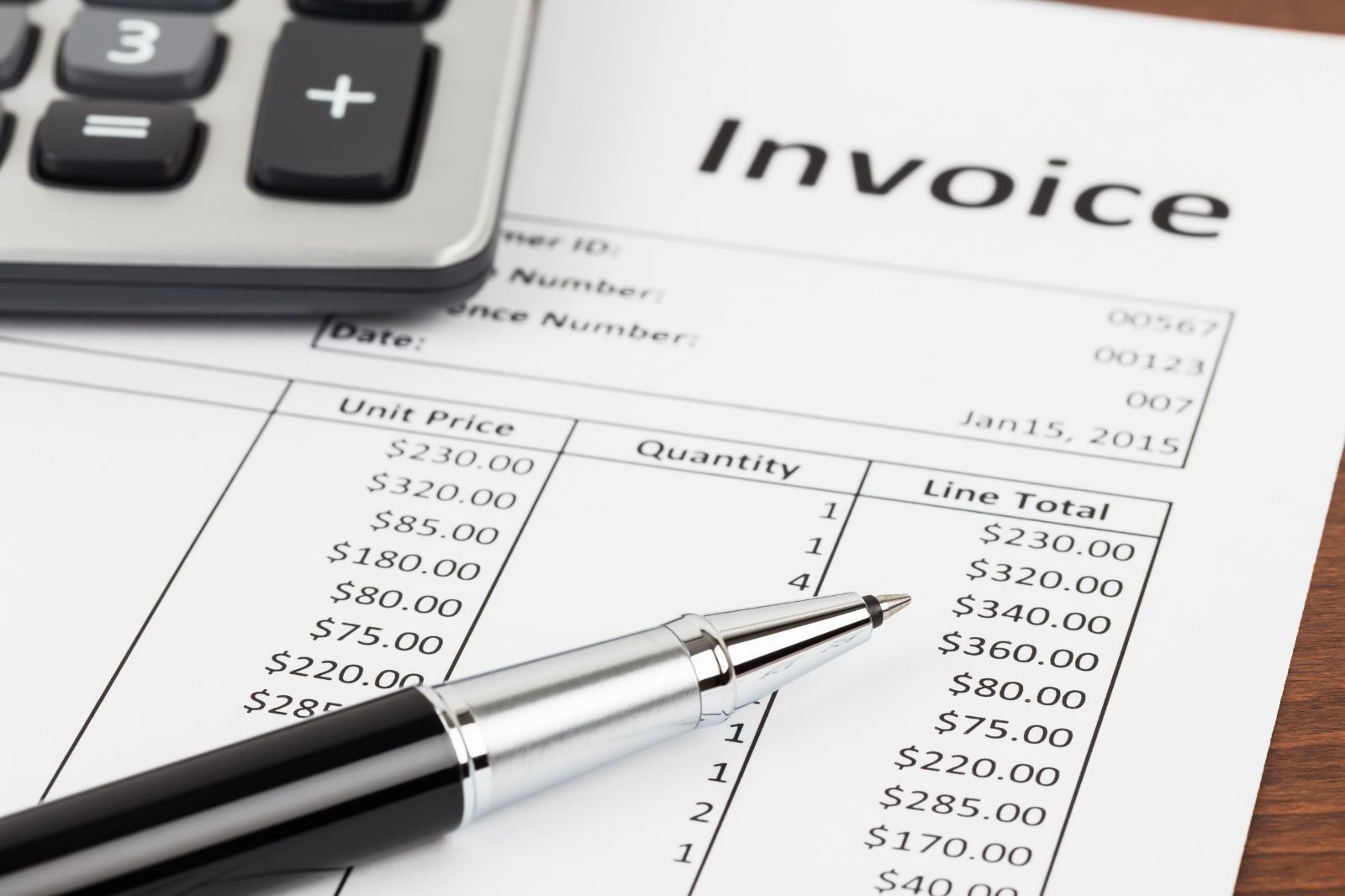
If your customers pay in 30, 60 or 90 days, your business is effectively lending them money. Invoice factoring turns those unpaid invoices into cash now.
How it works
- You invoice a commercial customer as usual.
- A factoring company advances most of the invoice value, usually within days.
- Your customer pays the factor on the normal due date.
- The factor releases the remaining balance to you, minus its fee.
What factors look at
Factoring leans on your customers’ creditworthiness as much as yours. A newer business with strong, reliable customers can often qualify where a traditional loan would be harder. Expect questions about:
- Who your customers are and how reliably they pay
- Your payment terms and average invoice size
- Whether any customer makes up a large share of your receivables
- Existing liens or factoring agreements
Recourse and notification
With recourse factoring, you’re responsible if a customer doesn’t pay. Non-recourse shifts some of that risk to the factor, usually at a higher cost. Most arrangements notify your customers to pay the factor directly; some providers offer confidential options.
When it fits
Factoring suits businesses with healthy sales but long payment terms: freight carriers, wholesalers, staffing firms and manufacturers selling to larger companies. If you need a buffer rather than a steady advance, a line of credit may cost less.
Ask any factor for the total cost over a typical invoice cycle, including all fees, so you can compare options fairly.
Ready to explore it? Start your application and we’ll match you with one financing partner who handles factoring.